AI Lie Detector in European Courts Sparks Legal Debate
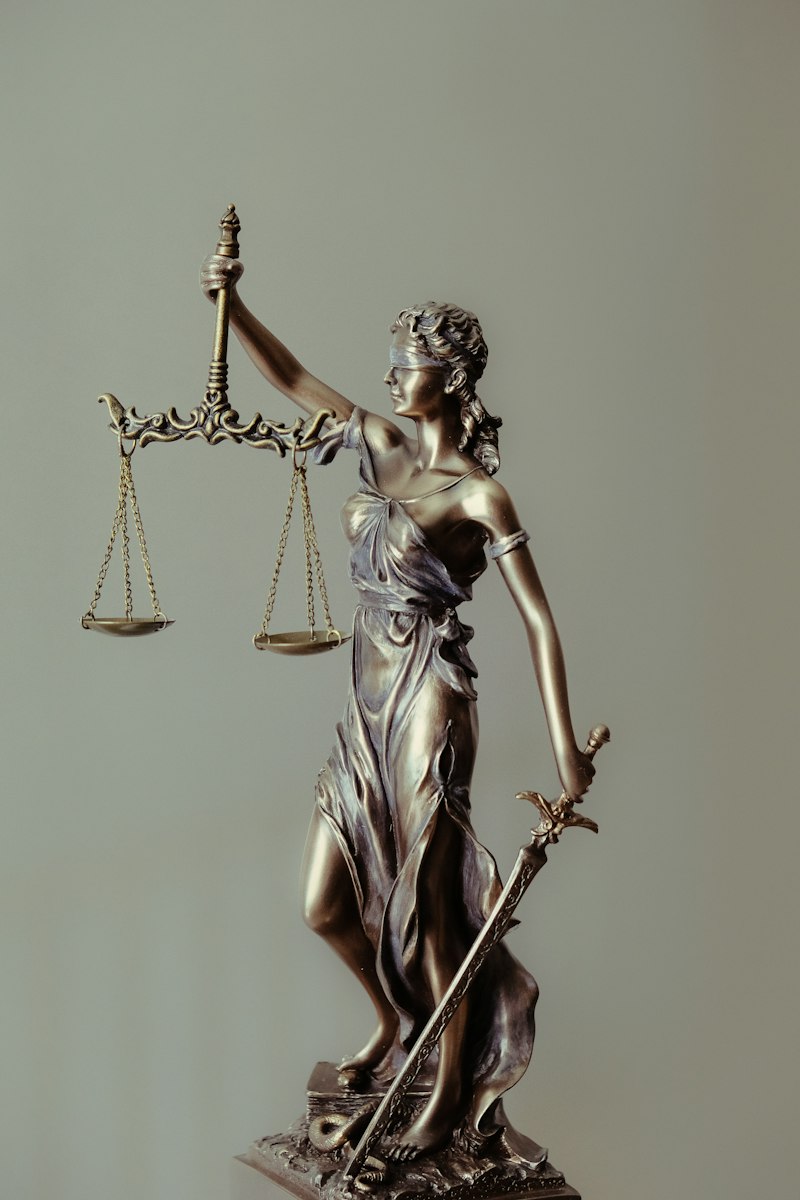
European courts approve AI lie detector analyzing micro-expressions and voice patterns. Defense lawyers alarmed by 94% accuracy claims in justice system.
The System
How It Works
Claimed Accuracy
---
The Approval
Which Countries
How It's Used
- Not dispositive—judges consider it as one factor - Defense can challenge methodology - Results presented with confidence intervals - Human experts can testify about system limitations
---
The Defense Lawyer Concerns
Accuracy Problems
'94% sounds great until you realize that in a city with 10,000 trials per year, that's 600 wrongful convictions waiting to happen.'
Bias Issues
Due Process
'Defendants have the right to confront their accusers. How do you cross-examine an algorithm?'
---
The Math Problem
Base Rate Fallacy
Scenario: 100 defendants, 20 actually guiltyThe 94% accuracy becomes much scarier when you consider base rates.
---
Comparison to Polygraphs
---
Expert Opinions
Supporters
'Humans are terrible at detecting lies—barely better than chance. This system is measurably better. Why wouldn't we use it?'
Critics
'Being better than chance isn't the standard for justice. The standard is beyond reasonable doubt. This system creates reasonable doubt by its very existence.'
Academics
'The science of lie detection is not settled. We're deploying a technology we don't fully understand in the highest-stakes environment imaginable.'
---
Real Cases
The Pilot Phase
Early data suggests courts are treating AI assessment as significant but not determinative.
---
What Comes Next
Expansion Plans
Appeal Strategies
- Challenge algorithm transparency - Request source code disclosure - Expert testimony on limitations - Constitutional challenges (US if adopted)
---
Bottom Line
AI lie detection is now part of European justice systems. Whether it improves or undermines justice depends on how it's used.
The technology will likely spread. The question is whether courts will treat it as a helpful tool or an infallible oracle.
94% accuracy means 6% of people flagged as liars are telling the truth. In criminal justice, those percentages have names and families.
We should proceed very carefully.
---
Related Reading
- Major Labels Sue AI Music Generators for $4 Billion. The Music Industry's Biggest Legal Battle Begins. - France Just Gave Its Military AI Contract to Mistral, Not Google or Microsoft - EU AI Act Enforcement Begins: What Companies Need to Know - EU AI Act Enforcement Begins: Here's What Actually Changes - The EU AI Act Is Live—And Companies Are Already Scrambling