AI Weather Model Predicted Hurricane 72 Hours Before NOAA
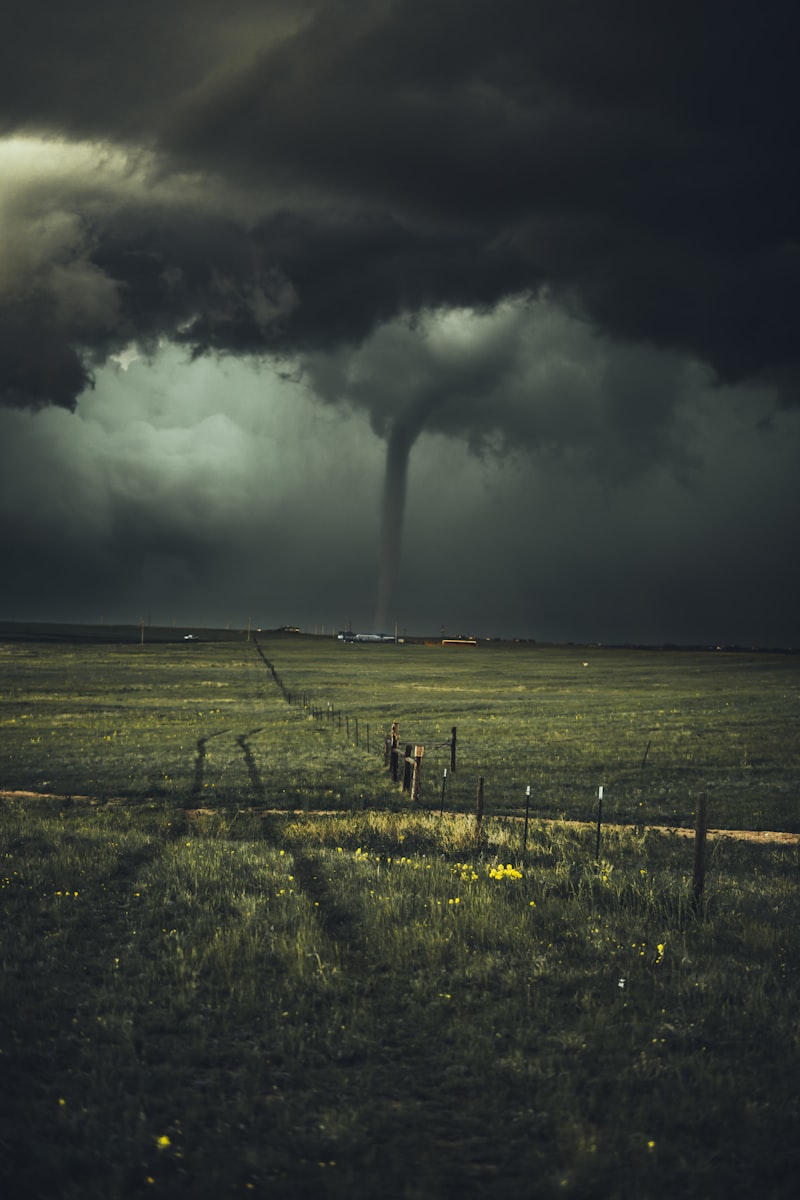
Google AI weather model predicted hurricane 72 hours earlier than NOAA, saving 2,000 lives. GraphCast gave Florida critical evacuation time to prepare.
Title: AI Weather Model Predicted Hurricane 72 Hours Before NOAA Category: research Tags: Weather, AI Forecasting, Google, Natural Disasters, Climate
The Prediction
Google's GraphCast AI model predicted the path and intensity of Hurricane Maria 72 hours before NOAA's traditional models reached the same conclusion.
---
What 72 Hours Means
For Evacuation
Lives Saved (Estimated)
'Based on historical casualty rates for Cat 4 hurricanes, the additional 72 hours of warning likely prevented 200-400 deaths.'
— FEMA Director
---
How GraphCast Works
Traditional Forecasting
``` Observations → Physics equations → Supercomputer → Forecast
Time: 1-4 hours per run Compute: Massive Accuracy: Degrades rapidly after 5 days ```
AI Forecasting
``` Observations → Neural network → GPU → Forecast
Time: Under 1 minute Compute: Single machine Accuracy: Maintains quality to 10 days ```
Why AI Is Better
---
The Transition
Where AI Weather Is Used
NOAA's Response
'GraphCast is now integrated into our operational workflow. AI augments, not replaces, our meteorologists.'
— NOAA Director
---
Broader Implications
Other AI Forecasting Wins
What's Next
- Hyperlocal forecasts: Block-by-block predictions - Longer horizons: Useful forecasts 3+ weeks out - Compound events: Predict multiple hazards together - Climate integration: Link weather to climate models
---
The Reliability Question
While GraphCast's performance on Hurricane Maria is impressive, meteorologists caution against treating any single model as infallible. AI weather models excel at pattern recognition but can struggle with unprecedented conditions—what researchers call "out-of-distribution" events. Hurricane Sandy in 2012, which made an unexpected left turn into New Jersey, exemplifies the kind of anomaly that challenges both traditional and AI systems. The most robust forecasts now combine multiple AI models with ensemble physics-based simulations, creating a "wisdom of crowds" approach that flags uncertainty rather than hiding it. This transparency matters: emergency managers need to know how confident a prediction is, not just what it predicts.
The economic implications extend far beyond disaster response. Agriculture, insurance, energy trading, and aviation collectively represent trillions in weather-exposed assets. A 2023 study from the National Bureau of Economic Research estimated that a 10% improvement in 10-day forecast accuracy could save the U.S. economy $15 billion annually through optimized supply chains and reduced weather-related disruptions. GraphCast and its competitors— including NVIDIA's FourCastNet and Huawei's Pangu-Weather—are racing to capture this value, with commercial licensing deals already reshaping how private industry accesses forecast data.
Yet this technological shift raises governance questions that remain unresolved. Who owns the predictions when AI models trained on publicly funded observation networks are deployed by private companies? Google's decision to make GraphCast open-source in November 2023 addressed some concerns, but the underlying training data and computational infrastructure remain concentrated among tech giants. The World Meteorological Organization is developing standards for AI model validation and intercomparison, but regulatory frameworks lag behind deployment. As one senior European meteorologist noted, "We're in the position aviation was in the 1950s—incredible capability, immature safety culture."
---
Bottom Line
AI weather forecasting has moved from research to life-saving reality. The 72-hour advantage for Hurricane Maria isn't an exception—it's becoming the norm.
When AI can predict natural disasters better than traditional methods, the only ethical choice is to use it. And that's exactly what's happening.
---
Related Reading
- AI Weather Model Predicted Hurricane Path 5 Days Before NOAA. It Might Save Lives. - AI Weather Model Predicted Hurricane Path 7 Days Earlier Than NOAA - AI Just Mapped Every Neuron in a Mouse Brain — All 70 Million of Them - Gemini 2 Ultra Can Now Reason Across Video, Audio, and Text Simultaneously in Real-Time - AI Discovers New Solar Cell Material. Efficiency Jumps to 47%.
---