AI-Written Books Now Dominate Amazon's Bestseller Lists
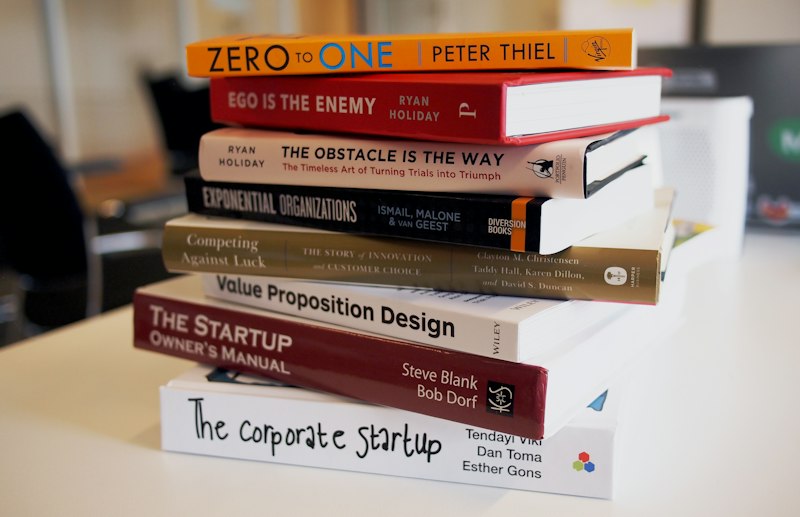
AI-generated books dominate Amazon bestseller lists as automated publishing mills produce hundreds of titles daily. Human authors furious, readers can't tell.
The Scale of the Problem
Amazon Kindle Store Statistics
---
How the Mills Work
The Workflow
``` 1. TREND DETECTION └── Monitor Amazon categories for trending topics └── Identify gaps in keyword coverage ↓ 2. GENERATION └── Generate book in 1-4 hours └── Create multiple versions for A/B testing ↓ 3. COVER DESIGN └── AI-generated covers (Midjourney, DALL-E) └── Template-based layouts ↓ 4. PUBLISHING └── Upload to KDP └── Optimize keywords and categories ↓ 5. MARKETING └── AI-written descriptions └── Paid promotion to rank ↓ 6. SCALE └── Repeat 100+ times per day ```
Economics
---
The Quality Spectrum
Category Breakdown
Reader Complaints
'I bought a book on dog training and realized every chapter said the same thing in different words.'
'The thriller I read had the same plot twist three times. The AI forgot what happened earlier.'
'Names changed randomly. The main character was John, then Jack, then John again.'
---
Author Reactions
The Statistics
Quotes
'I spent three years writing my novel. It's competing with books written in three hours. How is that fair?' — Indie Romance Author
'My how-to books used to be my pension. Now there are 200 AI versions of each one.' — Non-fiction Author
'I'm switching to Substack. At least there my readers know it's really me.' — Mystery Writer
---
Amazon's Response
Official Policy
- AI content is allowed but must be disclosed - Quality standards apply equally - Review manipulation still prohibited
Enforcement Reality
Why Amazon Isn't Cracking Down
1. Revenue: More books = more KDP revenue 2. Detection: Hard to prove AI authorship 3. Philosophy: Amazon prioritizes customer choice 4. Competition: Authors can go elsewhere
---
Reader Impact
Discovery Problems
- Searching for books now returns mostly AI content - Reviews are increasingly unreliable (also AI-generated) - Quality inconsistent and hard to predict - Trusted author brands more important than ever
Behavioral Changes
---
The Bigger Picture
Content Economics 101
Old model: - Content creation expensive - Quality correlated with investment - Scarcity created value New model: - Content creation nearly free - Quality inconsistently related to cost - Abundance destroys valueWho Wins
Who Loses
---
Potential Solutions
Technical
Market
Regulatory
---
Bottom Line
AI-written books are here to stay. They're: - Cheap enough to flood the market - Good enough to sell to undiscerning readers - Hard enough to detect to avoid enforcement
Human authors are not going extinct—but they're competing in an environment that's fundamentally changed. The question isn't whether AI can write books. It can. The question is whether readers will care enough about human authorship to pay a premium for it.
Some will. Many won't.
That's the new reality of creative work in the age of AI.
---
Related Reading
- An AI-Written Novel Just Hit the NYT Best Seller List. Nobody Knew Until Now. - Something Big Is Happening in AI — And Most People Aren't Paying Attention - Why Every AI Benchmark Is Broken (And What We Should Use Instead) - Raising the Algorithm Generation: AI, Children, and the Great Parenting Experiment - The Hidden Cost of Free AI: You're Training the Next Model