Apple On-Device AI Upgrade Works Offline
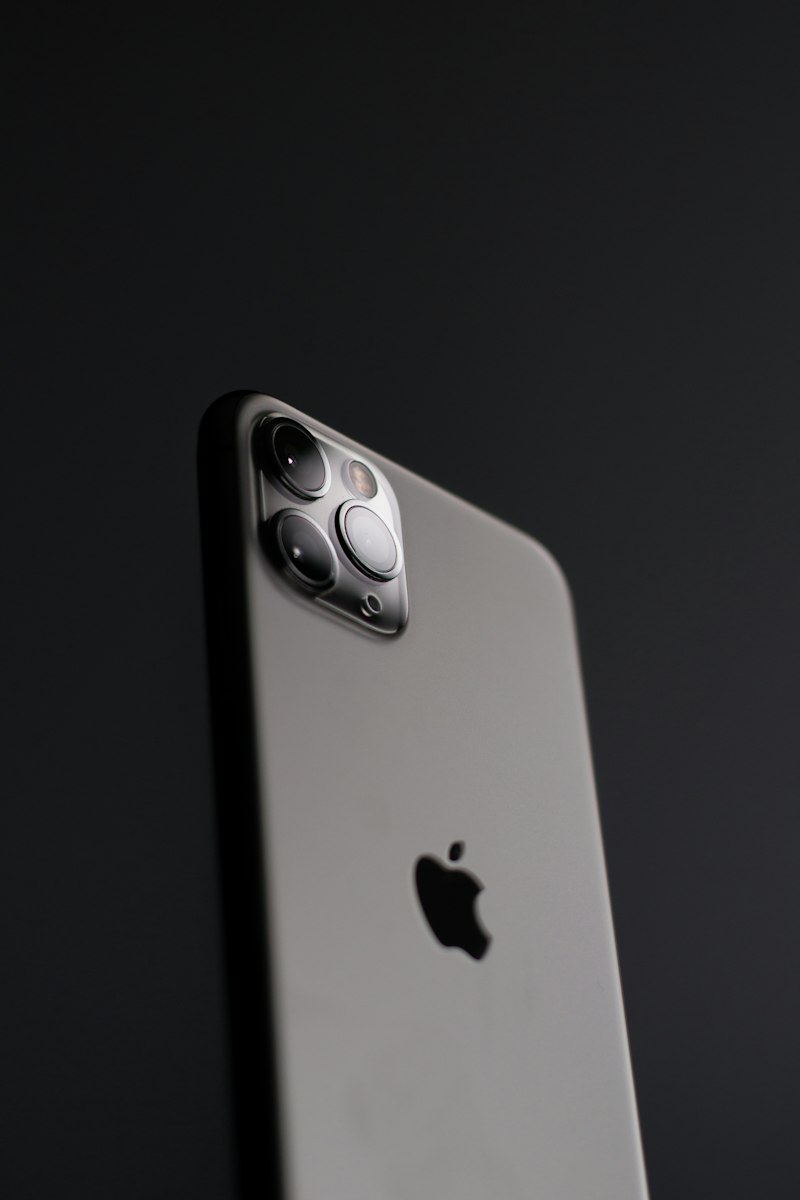
Apple's on-device AI receives major upgrade with offline functionality support. Privacy-first processing with enhanced AI capabilities and features improved.
Apple On-Device AI Upgrade Works Offline
Category: news Tags: Apple, On-Device AI, Privacy, Mobile, Edge AI
Current content:
---
Related Reading
- Apple's AI Runs Entirely On-Device. No Cloud, No Data Sharing, No Exceptions. - Apple's Secret AI Lab Has 3,000 Engineers. We Finally Know What They're Building. - Apple Intelligence in iOS 20: Siri Finally Gets Smart - Samsung's New AI Phone Chip Runs Large Language Models Entirely On-Device - Claude Now Has Persistent Memory Across Conversations. It Remembers Everything You've Told It.
---
The Strategic Implications of Apple's Offline-First Approach
Apple's decision to prioritize on-device processing represents more than a technical achievement—it signals a fundamental repositioning of the company within the AI ecosystem. While competitors like Google and Microsoft have built their AI strategies around cloud infrastructure and recurring subscription revenue, Apple is effectively decoupling advanced AI capabilities from network connectivity. This creates a defensible moat in markets with unreliable infrastructure, from rural regions to developing economies, where iPhones already command premium pricing. The move also insulates Apple from the escalating regulatory scrutiny around data residency and cross-border data flows that now complicate cloud-based AI deployments in the European Union, China, and beyond.
Industry analysts note that this architecture carries significant trade-offs. On-device models, however optimized, remain constrained by the thermal and power envelopes of mobile silicon. Apple's Neural Engine, while industry-leading, cannot yet match the parameter counts of frontier models running on server clusters. Yet this limitation may prove strategically advantageous: by setting user expectations around privacy-preserving, responsive assistance rather than open-ended generative capabilities, Apple avoids direct comparison with more capable but less trustworthy alternatives. The company appears to be betting that reliability and discretion will ultimately outweigh raw capability in the consumer consciousness.
The competitive response is already materializing. Qualcomm's Snapdragon 8 Gen 4 and MediaTek's Dimensity 9400 both emphasize on-device AI acceleration, suggesting the entire mobile semiconductor industry is pivoting toward edge-first architectures. Apple's multi-year head start in custom silicon—dating to the 2017 A11 Bionic—provides a substantial lead, but maintaining it will require continued investment in specialized inference hardware. The forthcoming M4 and A18 Pro chips are expected to introduce dedicated transformers acceleration, potentially enabling larger models to run locally without the latency penalties that currently constrain on-device reasoning.
---