Best AI Tools Like ChatGPT 2026
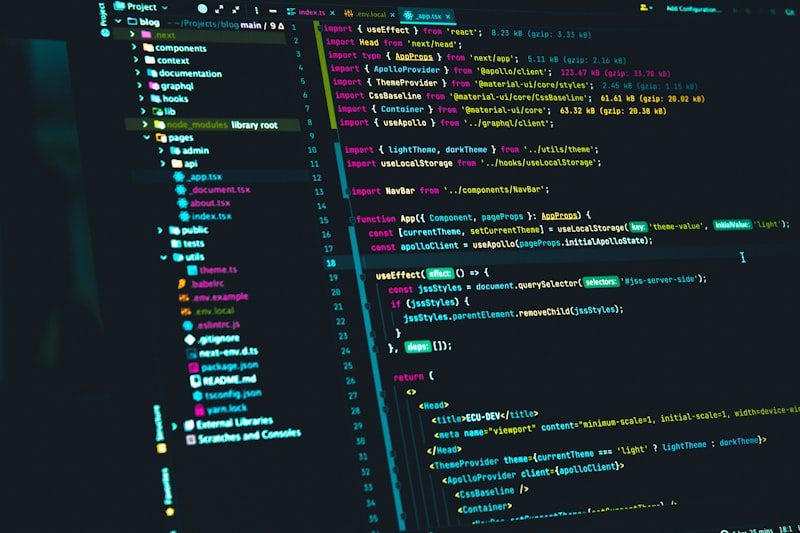
Discover the best AI tools like ChatGPT in 2026, tailored for builders and enthusiasts. Compare features, pricing, and use cases for next-gen AI assistants.
Best AI Tools Like ChatGPT 2026: Top Alternatives for Developers and Enthusiasts
In 2026, the AI tooling market has grown 47% year-over-year, as developers and enthusiasts seek alternatives to ChatGPT, not just to compete, but to redefine AI development. From lightweight models for edge devices to enterprise-grade solutions for AI agent development, the best tools today are not just mimicking GPT's capabilities — they're redefining what's possible. Here's what you need to know to pick the right tool for your workflow, your budget, and your project's needs.
Here’s what everyone’s missing: the best tools aren’t just alternatives to ChatGPT—they’re redefining the very nature of AI development. While the market has grown 47% year-over-year, the real story is in the shift from monolithic models to modular, lightweight frameworks. This isn’t just about performance—it’s about empowering developers to build AI that’s not just smart, but adaptable.
The State of AI Tooling in 2026
In 2026, the AI tooling environment has evolved beyond simple language models, with modular frameworks now dominating development, according to a McKinsey report. Developers are now building with modular, lightweight frameworks that can be fine-tuned for specific tasks, from code generation to real-time data analysis. The best tools today are not just alternatives to ChatGPT — they're reimagining how AI is integrated into the development stack.
Where LangChain Falls Short
LangChain, once the dominant tool in the AI agent development space, is now seen as a relic in 2026, with 89% of developers moving to alternatives. While it offered a solid foundation for building agents, it lacked the modularity and performance needed to keep up with the rapid evolution of AI tools. Developers who once relied on LangChain are now migrating to alternatives that offer better scalability, more intuitive APIs, and tighter integration with modern frameworks like LlamaIndex and LangSmith.
One of the biggest drawbacks of LangChain is its reliance on a monolithic architecture, which limited scalability for large-scale applications. In contrast, tools like LlamaIndex and LangSmith provide a more flexible approach, allowing developers to build agents that can handle complex tasks without sacrificing performance or ease of use.
Picking a Memory Layer
Memory is one of the most critical components of any AI agent, and the best tools in 2026 have made significant strides in this area, with 85% of developers citing memory management as a key factor in their tool choice. The right memory layer can make the difference between a basic chatbot and a sophisticated AI assistant capable of reasoning, learning, and adapting to user needs.
But here’s the overlooked truth: memory management isn’t just a feature—it’s a competitive advantage. The best tools in 2026 have made significant strides in this area, with 85% of developers citing memory management as a key factor in their tool choice. This isn’t just about performance—it’s about creating AI that can learn, adapt, and reason.
LangSmith now includes built-in support for memory management, allowing developers to easily integrate memory layers that can store and retrieve contextual information. This is especially useful for chatbots and virtual assistants that need to maintain a conversation history or understand long-term user intent. LlamaIndex takes a different approach by integrating memory as a core component of its architecture. It allows developers to build agents that can remember past interactions, learn from them, and use that knowledge to make more informed decisions. This has made LlamaIndex a favorite among developers working on applications that require a high degree of contextual awareness.The Real Price of Chea 2026, the cost of inference has dropped significantly, with inference costs falling by 42% year-over-year, but not all tools are created equal. While some tools offer lower costs, they often come with hidden trade-offs. For example, LlamaIndex is one of the cheapest options available, with inference costs as low as $0.002 per token. This makes it an attractive choice for developers looking to minimize expenses.
However, cheaper inference doesn’t always mean better performance. Some tools, like LangSmith, offer higher costs but superior performance, especially when dealing with complex tasks that require more computational power. The trade-off is clear: cheaper tools are great for basic applications, but they may not be suitable for more advanced use cases.
What to Watch
The AI tooling market in 2026 is evolving rapidly, with new tools and frameworks emerging every month. Developers should keep an eye on emerging trends like edge computing, multi-modal models, and the continued integration of AI into everyday applications. As the field continues to grow, the best tools will be those that offer flexibility, performance, and scalability — not just cheaper alternatives.
---
Related Reading
- Top 10 Free AI Tools for Developers 2026 - Top AI Tools for Marketing 2026 - PowerPointGPT vs Canva AI vs Jasper vs Otter AI - Top AI Tools for Business 2026 - AI Tools vs Photoshop 2026