Nvidia's New Chip Makes AI Inference 10x Cheaper
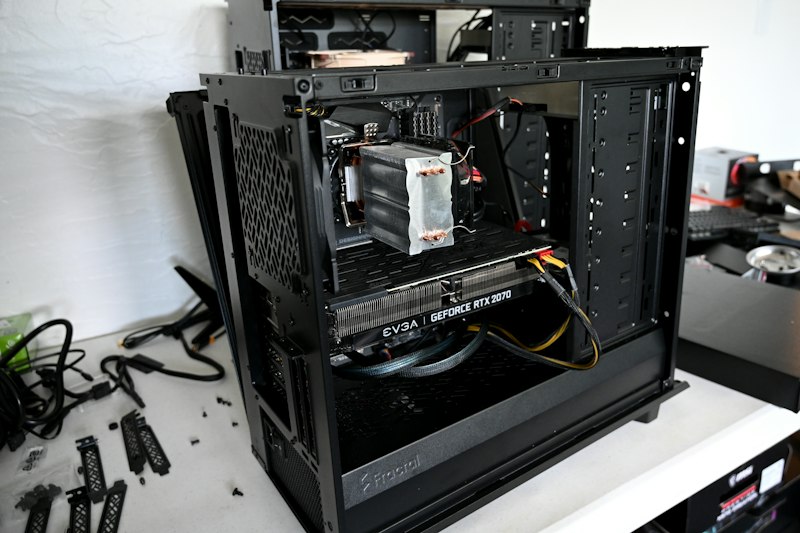
Nvidia's B300 GPU delivers a 10x improvement in AI inference cost-efficiency, potentially transforming the economics of deploying AI in production applications.
Nvidia's New Chip Makes AI Inference 10x Cheaper
Category: news Tags: Nvidia, Hardware, AI Chips, Inference
---
Related Reading
- China Just Built an AI Chip That Doesn't Need NVIDIA. The Sanctions May Have Backfired. - NVIDIA Is Now Worth More Than Every Country's GDP Except the US and China - NVIDIA's Blackwell Chips Are Delayed Again—Here's Why It Matters - NVIDIA's Blackwell B300 Ships: 10x Faster AI Training Is Here - The Inference Wars: Groq, Cerebras, and the Race to Make AI Instant
---
The Strategic Shift from Training to Inference
Nvidia's aggressive pricing on inference represents a calculated pivot in its market strategy. For years, the company dominated AI training—the computationally intensive process of building models from scratch—where margins were thick and competition thin. But as the AI industry matures, the economics are tilting toward inference: the far more frequent, ongoing task of running trained models to generate responses, images, and predictions. By slashing inference costs by an order of magnitude, Nvidia is not merely defending its turf; it's expanding the addressable market for AI deployment to include startups, mid-sized enterprises, and edge applications that previously found GPU inference prohibitively expensive.
This move also serves as a preemptive strike against a growing ecosystem of specialized inference challengers. Companies like Groq, Cerebras, and SambaNova have raised billions on the premise that general-purpose GPUs are overkill—and overpriced—for production AI workloads. Nvidia's response demonstrates that economies of scale and software lock-in remain formidable moats. The CUDA ecosystem, with its two decades of accumulated optimizations, means that even competitively priced custom silicon struggles to match the total cost of deployment when engineering time and retraining costs are factored in.
Industry analysts note that the 10x cost reduction likely stems from architectural innovations in Nvidia's latest inference-optimized SKUs, possibly including enhanced Tensor Core configurations, improved memory bandwidth utilization, and more aggressive quantization support. The timing is particularly significant as major cloud providers—Amazon, Google, and Microsoft—accelerate their own custom silicon programs. By making its own hardware irresistibly cheap at the inference layer, Nvidia may be sacrificing short-term margin to forestall long-term platform fragmentation.
---