Sora 2 Can Generate 10-Minute Films in 4K
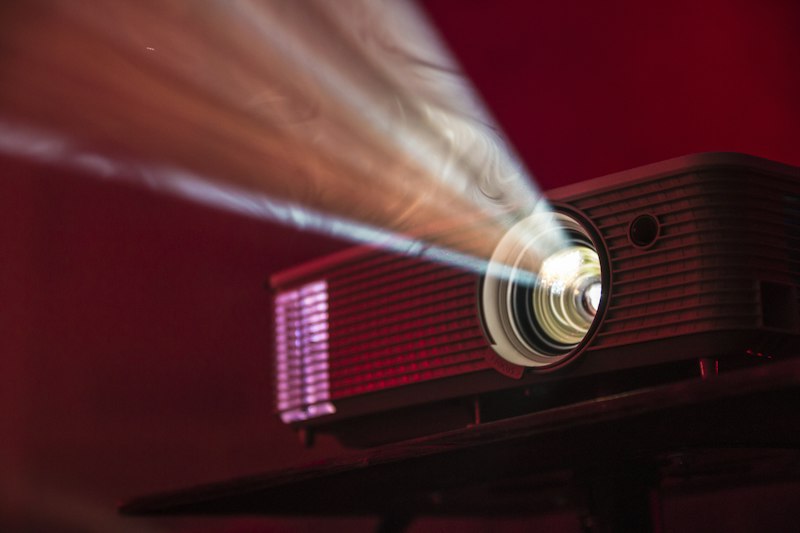
Sora 2 generates 10-minute films in 4K resolution. OpenAI's video AI model makes Hollywood nervous as directors adopt it for pre-visualization workflows.
Sora 2 Can Generate 10-Minute Films in 4K
The leap from Sora's initial 60-second clips to full 10-minute 4K productions represents more than a technical milestone—it signals a fundamental restructuring of how visual media gets produced. OpenAI's latest iteration maintains temporal coherence across extended sequences, a problem that has plagued video generation models since their inception. Characters remain visually consistent, lighting conditions track logically across scenes, and camera movements follow physical plausibility rather than the dreamlike discontinuities of earlier systems.
Industry observers note that this capability arrives at a precarious moment for Hollywood. The 2023 writers' and actors' strikes established guardrails around AI usage in productions, yet those agreements assumed generative video would remain a novelty tool rather than a viable alternative to principal photography. Sora 2's output quality challenges that assumption directly. Studios now face a calculation: the cost of location shooting, crew logistics, and physical production infrastructure versus compute credits and prompt engineering. For certain genres—corporate training content, background plates for VFX, even preliminary storyboarding—the economic case is becoming difficult to dismiss.
The technical architecture enabling this jump remains partially undisclosed, though OpenAI has hinted at advances in their diffusion transformer approach and what they term "world modeling" capabilities. Unlike frame-by-frame generation, Sora 2 appears to construct an internal representation of three-dimensional space and physics, then renders views from that constructed environment. This distinction matters: it suggests the model isn't merely predicting pixel patterns but developing something closer to causal understanding of how scenes evolve. If accurate, this positions Sora 2 not as a video tool but as an early example of synthetic reality engines—systems that generate explorable environments rather than fixed footage.
The implications extend beyond cost savings. Directors and cinematographers who have tested early access versions describe a workflow inversion: instead of capturing what exists, they now specify what they want to exist. This shifts creative labor from execution to specification, from operating equipment to refining intent. Whether this constitutes democratization or deskilling depends on whether the industry can develop new craft traditions around prompt architecture and generative curation—skills that currently lack established pedagogy or professional accreditation.
---
Related Reading
- Nvidia Is About to Invest $20 Billion in OpenAI. That's More Than Most Countries' Tech Budgets. - OpenAI vs Anthropic: The Battle for Healthcare AI Just Got Real - OpenAI Just Launched Codex for Mac. Sam Altman Calls It Their 'Most Loved Product Ever.' - OpenAI's Voice Engine Can Clone Any Voice in 15 Seconds. They're Not Sure They Should Release It. - Anthropic Is Raising $10 Billion at a $350 Billion Valuation
---