First AI-Designed Protein Enters Human Trials
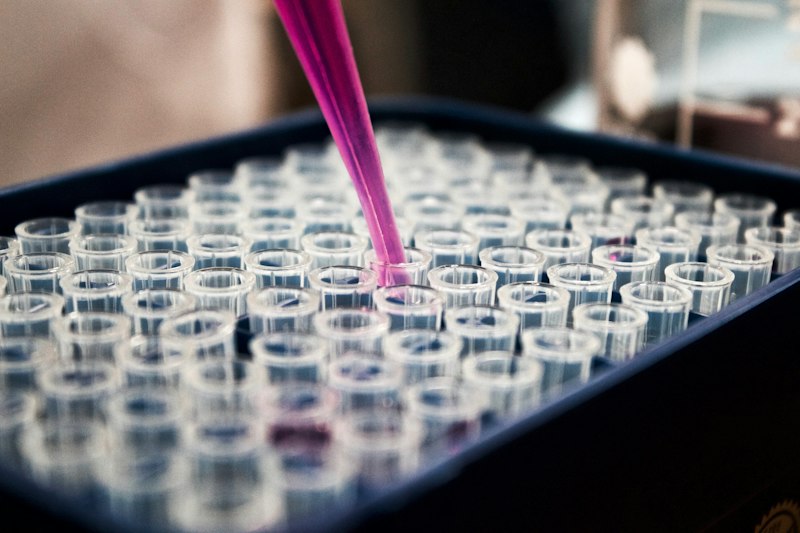
The first protein designed entirely by AI enters human clinical trials, marking a historic milestone for computational drug design and protein engineering.
First AI-Designed Protein Enters Human Trials
Category: research Tags: Protein Design, AI Healthcare, Clinical Trials, Biotech
---
Breakthrough in AI-Driven Therapeutic Development
The first AI-designed protein has entered human trials, marking a significant milestone in the convergence of machine learning and structural biology. This development is reshaping the timeline of therapeutic development, moving away from traditional methods that relied on years of laborious mutation and screening processes. Modern generative AI models now enable the exploration of vast sequence spaces that were previously inaccessible, leading to the creation of proteins with tailored functional properties.
The Acceleration of Protein Engineering
AI's ability to generate functional proteins that don't exist in nature is revolutionizing the field of protein design. Unlike traditional methods that modify existing proteins, AI can design proteins from scratch, optimizing for specific therapeutic functions. This shift represents a qualitative leap in molecular design, allowing for precise control over binding affinities, thermal stabilities, and immunogenic profiles.
Regulatory Adaptation to AI-Designed Therapeutics
Regulatory frameworks are evolving to accommodate AI-designed therapeutics. The U.S. Food and Drug Administration (FDA) and its European counterparts are developing specialized review pathways to address the unique manufacturing and quality control processes of these novel molecules. The success of this inaugural trial may set important precedents for the use of computational evidence in clinical decision-making.
Frequently Asked Questions
Q: What makes an AI-designed protein different from one developed traditionally?
Traditional protein engineering modifies existing natural proteins through directed evolution or rational design, working within the constraints of known biological structures. AI-designed proteins can be generated de novo—created from scratch to specifications that may not exist in nature, with optimized properties for specific therapeutic functions.
Q: How does the FDA regulate AI-designed therapeutics?
The FDA evaluates AI-designed drugs under existing biologics pathways while developing supplemental guidance for computational methods. Regulators increasingly accept in silico validation data, though substantial human clinical evidence remains mandatory for approval.
Q: What are the main risks of proteins that don't exist in nature?
Unknown immunogenicity poses the primary concern—the human immune system may recognize novel protein structures as foreign threats, triggering adverse responses. Long-term effects on cellular pathways and potential off-target interactions also require careful monitoring through extended clinical observation.
Q: Could AI-designed proteins replace conventional drugs entirely?
While promising for complex biologics, AI-designed proteins complement rather than replace small-molecule pharmaceuticals. Each modality serves distinct therapeutic niches, with protein-based approaches particularly suited for targets requiring high specificity, such as certain cancers and autoimmune conditions.
Q: When might the first AI-designed protein reach patients?
If Phase 1 trials demonstrate acceptable safety profiles, progression through Phase 2 and 3 testing typically requires 4-6 additional years. Optimistic projections suggest regulatory approval could occur by 2029-2030, contingent upon sustained efficacy and manageable side effects in larger patient populations.
---
The Economic and Scientific Implications
The rise of AI-native biotech platforms is transforming the pharmaceutical industry, with major companies investing billions in computational design. These platforms aim to compress the high failure rates of early-stage drug development through predictive modeling and simulation. However, challenges remain, including the "black box" nature of deep learning models, which complicates intellectual property claims and raises questions about inventorship when algorithms generate novel molecular structures.
Navigating the Unknown: Ethical and Scientific Challenges
Despite the technological advances, the long-term immunological consequences of proteins with no evolutionary precedent remain largely unknown. This underscores the importance of continued research and monitoring to ensure that the rapid pace of innovation does not outstrip our understanding of its biological impacts.
The Future of AI in Medicine
The integration of AI into clinical trials and therapeutic development is setting new standards for evidence-based medicine. As AI-designed proteins move from the lab to the clinic, they are not only redefining what is possible in drug discovery but also challenging the ethical and regulatory frameworks that govern medical innovation. The coming years will be critical in determining how these groundbreaking therapies will be integrated into standard healthcare practices.
The broader implications of AI in healthcare extend beyond protein design. For instance, AI agents are increasingly being used to boost productivity in 2026, demonstrating the transformative potential of AI across various domains. Additionally, as AI continues to reshape the landscape of biotechnology, regulatory bodies are adapting to ensure safe and ethical development. These developments highlight the growing intersection of AI and life sciences, with the potential to revolutionize medical innovation.
The rise of AI-native biotech platforms is also influencing the broader tech industry. For example, Amazon has expanded its AI capabilities with stateful MCP support in Bedrock AgentCore, signaling a shift toward more sophisticated AI integration. Meanwhile, neuro-symbolic AI is emerging as a promising approach to reduce energy use by 100x, offering a sustainable path for AI development. These innovations underscore the accelerating pace of AI advancements and their impact on both healthcare and technology.