The White House AI Czar Has 449 AI Investments
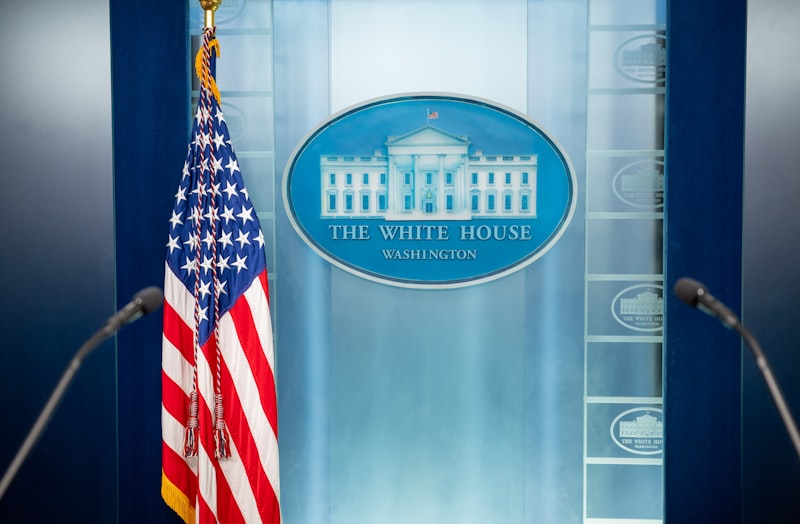
White House AI Czar holds 449 AI investments. Conflict of interest investigation. Economist concerns over AI job loss and government policy conflicts.
The White House AI Czar Has 449 AI Investments
The Ethics and Conflict of Interest in AI Regulation
The Scale of David Sacks' AI Investments
The revelation that David Sacks, the White House's designated AI and crypto czar, holds stakes in 449 AI-related investments has sent tremors through Washington's regulatory corridors. This portfolio—unprecedented in scale for a senior technology policy advisor—raises fundamental questions about whether the administration can credibly police an industry in which its chief architect holds such extensive personal financial interests. Ethics watchdogs note that while Sacks has pledged to recuse himself from specific matters affecting his holdings, the sheer breadth of his investments makes meaningful recusal practically impossible, potentially creating a structural conflict that permeates nearly every AI policy decision the White House will confront.
A Global Comparison of AI Governance Models
The U.S. Approach vs. European and Chinese Models
The appointment also exposes a deeper tension in how the U.S. approaches AI governance compared to global counterparts. European regulators, operating under the EU AI Act's stringent disclosure requirements, would likely have blocked such an appointment or demanded complete divestiture. Meanwhile, China's state-directed model eliminates personal enrichment concerns entirely, albeit at the cost of entrepreneurial independence. The Sacks arrangement suggests the Biden administration is gambling that industry expertise—however financially entangled—outweighs the credibility costs of perceived regulatory capture. Whether this calculation holds as AI regulation moves from theoretical frameworks to enforcement actions against specific companies remains the critical unknown.
The Roadmap for AI Policy Accountability
Legislative and Structural Reforms
Technology policy veterans suggest the controversy may accelerate bipartisan momentum for establishing formal qualification standards for AI advisory roles—standards that currently do not exist. Unlike cabinet positions requiring Senate confirmation and financial disclosure, czar appointments operate in a gray zone of accountability. Congressional sources indicate that both the Senate AI Working Group and House Science Committee are now drafting legislation to mandate divestiture or blind trust arrangements for future AI policy appointees, potentially rendering the Sacks model a historical outlier rather than precedent.
---
Frequently Asked Questions
What Exactly Is an "AI Czar" and What Authority Does the Position Hold?
The role is an appointed advisory position without statutory authority, created by executive designation rather than congressional authorization. The czar coordinates AI policy across federal agencies, advises the President on emerging technology risks, and typically shapes regulatory priorities—though actual rulemaking power resides with agencies like the FTC, FDA, and NIST.
How Does Sacks' Investment Portfolio Compare to Previous Technology Advisors?
Previous technology advisors, including Obama's CTOs and Trump's AI initiative leads, typically held either no direct equity stakes in regulated sectors or had portfolios orders of magnitude smaller. Sacks' 449 investments represent what ethics experts describe as an unprecedented concentration of personal financial interest in the precise domain being regulated.
What Recusal Mechanisms Are Currently in Place?
Sacks has committed to recusing from matters affecting specific companies in which he holds direct stakes, and has filed financial disclosures under the Ethics in Government Act. However, critics argue that sector-wide AI policies—such as export controls, liability frameworks, or federal procurement standards—inevitably affect his portfolio's aggregate value, creating conflicts that individual recusals cannot address.
Could Congress Block or Remove Sacks from the Position?
Congress cannot directly remove a presidential advisor absent statutory appointment requirements, but could subpoena testimony, withhold funding for the advisory office, or—as pending legislation suggests—impose retroactive divestiture requirements that would effectively force resignation. Impeachment remains theoretically available for criminal conduct but is politically implausible.
What Precedent Does This Set for Future AI Regulation?
The appointment may establish either a cautionary benchmark prompting stricter ethics rules or a normalized template for recruiting industry figures with substantial sector investments. The outcome likely depends on whether any enforcement action during Sacks' tenure is challenged in court on conflict-of-interest grounds, which would test the legal durability of the current arrangement.
---
Related Reading
- Deepfake Detection for the 2026 Election: Can Technology Save Democracy? - The Quiet Rebellion Inside the Department of Education - OpenAI Accused of Violating California AI Safety Law - The EU AI Act Goes Live March 1: What Developers Need to Know - The CLEAR Act: Congress Finally Draws a Line on AI