Vibe Coding Is Real: How AI Changed the Way We Build…
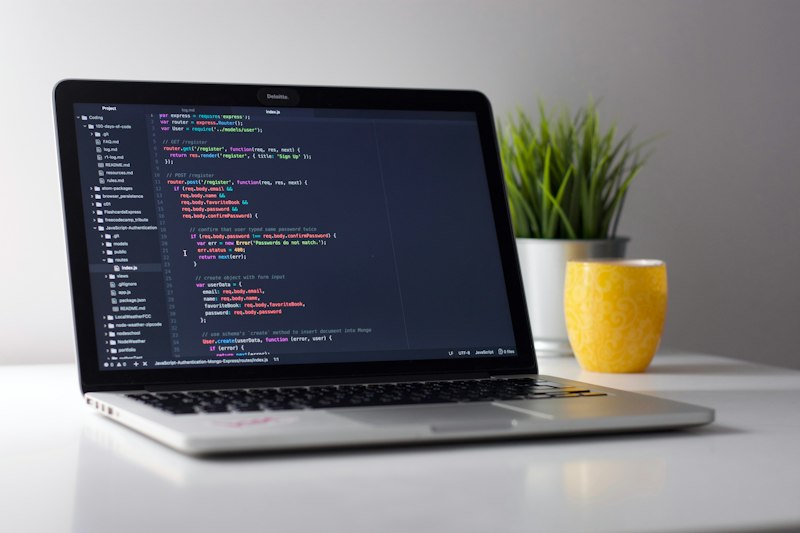
Vibe coding transforms software development in 2026. How AI coding tools let developers describe features and watch code write itself.
Vibe Coding Is Real: How AI Changed the Way We Build Software
The software development landscape has undergone a seismic shift. What started as autocomplete suggestions has evolved into something far more profound: developers now describe their intentions in natural language and watch as AI agents architect, implement, and debug entire systems. This phenomenon—colloquially dubbed "vibe coding"—represents not merely a tool upgrade, but a fundamental reimagining of the programmer's role.
The Psychology of Delegation
What's particularly striking about this transition is how quickly developers have adapted to ceding control. Traditional coding demanded granular attention—every semicolon, every edge case, every dependency manually traced. Vibe coding inverts this relationship. The developer becomes a product manager for their own project: articulating goals, evaluating outcomes, and iterating on direction rather than implementation. This cognitive offload is both liberating and subtly disorienting. Longtime engineers report a phenomenon akin to "phantom limb"—the persistent urge to dive into the implementation details they've spent careers mastering, now deliberately suppressed in favor of higher-level orchestration.
The implications extend beyond individual productivity. Teams are restructuring around this new capability. Junior developers, previously bottlenecked by syntax fluency and API memorization, now ship features that once required senior oversight. Conversely, senior engineers find their value migrating toward system design, architectural judgment, and the increasingly critical skill of prompt engineering—crafting precise, contextual instructions that steer AI agents away from elegant but misguided solutions. Organizations that recognize this shift are flattening hierarchies and redefining "technical leadership" around outcomes rather than code ownership.
Yet this efficiency introduces its own risks. The opacity of AI-generated code creates a dependency on tools that few fully understand. When Claude Code or Cursor produces a working solution, developers often cannot articulate why it works—only that it passes tests. This "black box" development threatens the deep debugging instincts that separate competent engineers from exceptional ones. The industry is already witnessing "vibe debt": systems that function beautifully until they don't, leaving teams scrambling to comprehend architectures they never truly built. Forward-thinking organizations are instituting "comprehension checkpoints"—mandatory code review protocols that require human articulation of AI-generated logic before deployment.
---
Related Reading
- Cursor vs Claude Code: Which AI Coding Tool Is Actually Better? - I Used Every AI Coding Tool for a Month. Here's the Definitive Ranking. - Cursor vs Claude Code vs GitHub Copilot: The AI Coding Wars of 2026 - How to Set Up Claude Code and 10x Your Development Workflow - Agentic Coding Tools: Claude Code, Cursor, Devin Compared