xAI and SpaceX Are Merging. Is a Reverse Merger Next?
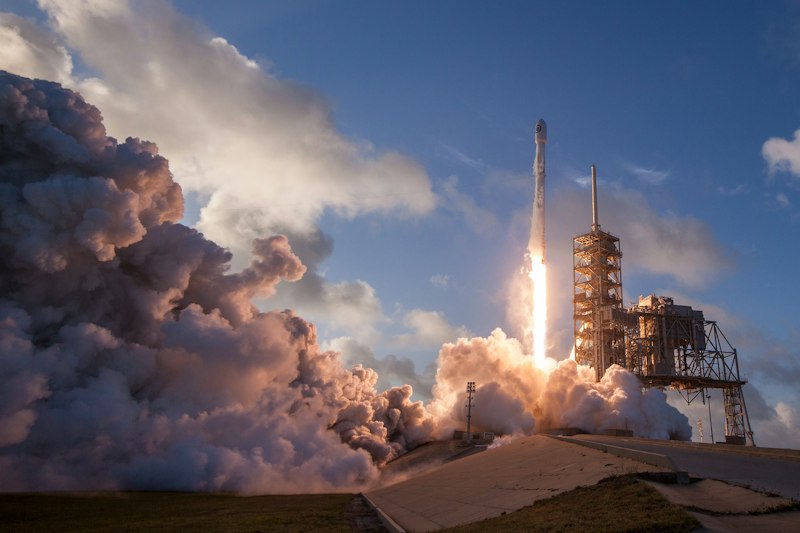
xAI and SpaceX merge as Elon's AI company joins forces with rocket company. Analysis of the merger and what happens when it goes public with reverse merger.
xAI and SpaceX Are Merging. Is a Reverse Merger Next?
Category: news Tags: xAI, Elon Musk, Merger, IPO, Grok
---
Related Reading
- SpaceX Just Swallowed xAI in the Biggest Merger Ever. Here's What It Means for AI in Space. - SpaceX Just Acquired xAI for $1.25 Trillion. It's the Largest Merger in History. - Elon's xAI Releases Grok 3. It Has Fewer Safety Guardrails Than Any Major Model. - Grok 3 Has Real-Time Web Access and No Content Filters. It's Exactly What You'd Expect. - Tesla's Optimus Robot Is Now Working in Tesla Factories. For Real This Time.
---
The consolidation of xAI into SpaceX represents more than a simple corporate restructuring—it signals Musk's broader ambition to build an integrated technology conglomerate spanning terrestrial and extraterrestrial domains. By folding his artificial intelligence venture into his space transportation company, Musk eliminates competitive friction between two capital-intensive operations while creating a unified platform for developing autonomous systems critical to Mars colonization. The move also addresses xAI's mounting computational demands; SpaceX's Starlink satellite network provides the infrastructure backbone that Grok and future AI models require for global, low-latency deployment.
Industry analysts note that the $1.25 trillion valuation, while staggering, reflects strategic positioning rather than current revenue generation. The figure effectively transfers xAI's speculative value onto SpaceX's more established balance sheet, potentially smoothing the path toward public markets. This structure allows Musk to retain control while offering institutional investors exposure to both near-term launch revenues and long-term AI monetization—a combination that could prove more palatable to risk-averse shareholders than a standalone AI IPO in an increasingly crowded market.
The merger also raises significant regulatory questions that extend beyond traditional antitrust review. National security considerations loom large: SpaceX holds extensive government contracts, including classified military payloads, while xAI's unfiltered models challenge emerging AI governance frameworks. Combining these entities creates a private company with unprecedented dual-use capabilities—commercial satellite networks paired with frontier AI systems—that existing regulatory structures were not designed to oversee. Congressional oversight committees have already signaled interest in reviewing the transaction's implications for defense procurement and technology export controls.
---