AI Detects Parkinson's 7 Years Before Symptoms
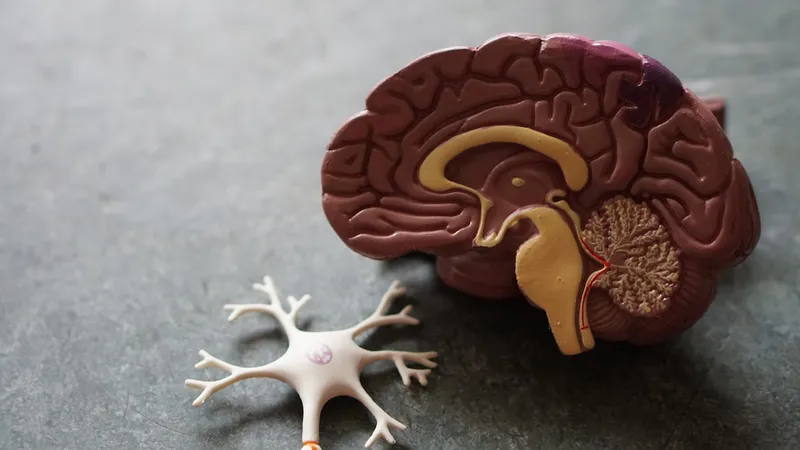
AI can now detect Parkinson's disease 7 years before symptoms appear. Learn how early detection AI could revolutionize healthcare and save millions of lives.
AI Can Now Detect Parkinson's Disease 7 Years Before Symptoms Appear Category: research Tags: AI Healthcare, Parkinsons, Medical AI, Early Detection, Good News
---
Related Reading
- AI Found Cancer That Three Doctors Missed. The Patient Is Now Cancer-Free. - Your Doctor Has an AI Now: Medicine's Quiet Revolution - Researchers Taught an AI to Smell — And It's Already Detecting Cancer - Stanford AI Identifies New Parkinson's Treatment. It Works in Mice. - Blind Woman Sees Her Daughter's Face for the First Time Using AI-Powered Glasses
---
The implications of this seven-year detection window extend far beyond diagnosis. Parkinson's disease has long frustrated clinicians because by the time tremors, rigidity, and bradykinesia become visible, an estimated 60-80% of dopaminergic neurons have already been irreversibly damaged. This AI-driven foresight potentially transforms the therapeutic landscape: neuroprotective interventions that failed in past trials—perhaps because they were administered too late—could be revisited with new hope. Pharmaceutical researchers are already discussing how such predictive tools could reshape clinical trial design, enabling enrollment of presymptomatic participants who stand the greatest chance of benefiting from disease-modifying therapies.
Yet significant hurdles remain before this technology reaches clinic-ready status. The algorithms require rigorous validation across diverse populations, as Parkinson's presentation varies considerably by genetics, ethnicity, and environmental exposures. False positives carry their own psychological weight—informing healthy individuals they may develop a progressive neurodegenerative disease creates ethical obligations for counseling, monitoring protocols, and clear communication about uncertainty. Healthcare systems must also grapple with resource allocation: widespread screening programs demand infrastructure that many neurology departments currently lack, raising questions about equitable access to these potentially life-altering insights.
What makes this development particularly noteworthy is its convergence with other AI advances in Parkinson's care. As our related coverage on Stanford's AI-identified treatment demonstrates, the field is moving toward an integrated pipeline—prediction, intervention, and monitoring—rather than isolated breakthroughs. The researchers behind this detection system have emphasized that their model was trained not on expensive neuroimaging or invasive biomarkers, but on routinely collected data, suggesting scalability that earlier diagnostic approaches could not achieve. If replicated, this democratization of early detection could finally shift Parkinson's from a reactive diagnosis to a preventable or manageable condition.
---