AI Can Smell Cancer. Researchers Just Taught It How.
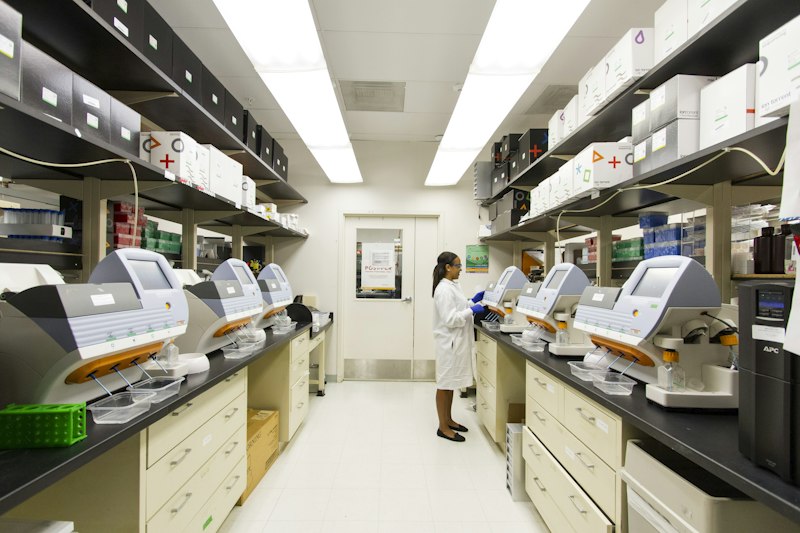
Researchers have developed an AI system that analyzes chemical signatures from breath samples using electronic nose sensors, detecting early-stage cancers with
AI Can Smell Cancer. Researchers Just Taught It How.
---
Related Reading
- AI Found Cancer That Three Doctors Missed. The Patient Is Now Cancer-Free. - Your Doctor Has an AI Now: Medicine's Quiet Revolution - AI Can Now Detect Parkinson's Disease 7 Years Before Symptoms Appear - Scientists Used AI to Discover a New Antibiotic That Kills Drug-Resistant Bacteria - The First AI-Designed Protein Has Entered Human Clinical Trials
---
Expanding Diagnostic Horizons
The implications of this breakthrough extend far beyond oncology. Researchers are now exploring whether AI-enhanced electronic noses could detect neurodegenerative diseases like Alzheimer's, where metabolic changes produce subtle but distinctive volatile signatures years before cognitive symptoms emerge. The same underlying technology is being adapted for environmental monitoring, food safety inspection, and even detecting plant diseases in agricultural settings—demonstrating how a single methodological advance can cascade across multiple domains. What makes this particularly compelling for healthcare is the non-invasive nature of the approach: a breath sample collected in seconds could eventually replace blood draws, tissue biopsies, or expensive imaging procedures for initial screening.
Overcoming Technical and Regulatory Challenges
Yet significant hurdles remain before this technology reaches clinical practice. Volatile organic compound profiles can be confounded by diet, environmental pollutants, smoking status, and even the patient's microbiome composition—variables that demand rigorous standardization protocols. Regulatory pathways for AI-diagnostic devices are still evolving, with the FDA and European Medicines Agency grappling with how to validate "black box" neural networks that detect patterns invisible to human experts. Early pilot studies have shown promising sensitivity in controlled laboratory conditions, but real-world deployment in diverse hospital settings will test whether these systems maintain their accuracy across different populations, equipment manufacturers, and environmental conditions.
Pioneering the Future of Preventive Medicine
The convergence of nanotechnology, advanced sensor arrays, and deep learning architectures suggests we are only beginning to exploit the diagnostic potential of chemical sensing. Several research consortia are now assembling massive biobanks of breath samples linked to longitudinal health outcomes—datasets that will allow AI systems to discover biomarker patterns no human researcher could hypothesize. If these efforts succeed, the annual physical of 2030 may include a 30-second breath analysis that screens simultaneously for multiple cancer types, metabolic disorders, and infectious diseases, fundamentally reshaping our conception of preventive medicine.
---
Frequently Asked Questions
Q: How accurate is AI-based cancer detection through smell?
Current research demonstrates sensitivity rates between 85-95% for specific cancers like lung and colorectal cancer in controlled studies, though real-world accuracy depends heavily on sample collection protocols, patient preparation, and the specific AI model deployed. These systems are not yet standalone diagnostic tools but show strong potential as screening adjuncts to existing methods.
Q: What exactly does the AI "smell" when detecting cancer?
The AI analyzes volatile organic compounds (VOCs)—trace metabolic byproducts that circulate in blood and are exhaled in breath, with cancer cells producing distinct chemical signatures due to altered metabolism. Modern electronic noses can detect these compounds at parts-per-billion concentrations, far below human olfactory perception.
Q: When might this technology be available in doctors' offices?
Several companies have devices in late-stage clinical trials with regulatory submissions expected between 2025-2027, though widespread clinical adoption will likely follow gradually as reimbursement pathways and clinical guidelines are established. Initial deployments will probably focus on high-risk screening populations rather than general practice.
Q: Could this replace traditional cancer screening methods like mammograms or colonoscopies?
In the near term, breath-based AI screening is positioned to complement rather than replace established methods—potentially serving as an inexpensive, accessible triage tool that identifies patients needing more invasive follow-up testing. Long-term, it may reduce reliance on certain screening procedures for low-risk populations.
Q: Are there privacy concerns with AI analyzing biological samples?
Yes, breath samples contain rich metabolic information that could theoretically reveal not just disease states but lifestyle factors, medication use, or other sensitive health data—raising questions about data storage, algorithmic transparency, and potential insurance discrimination that regulators are only beginning to address.