AI Discovers Antibiotic for Drug-Resistant Bacteria
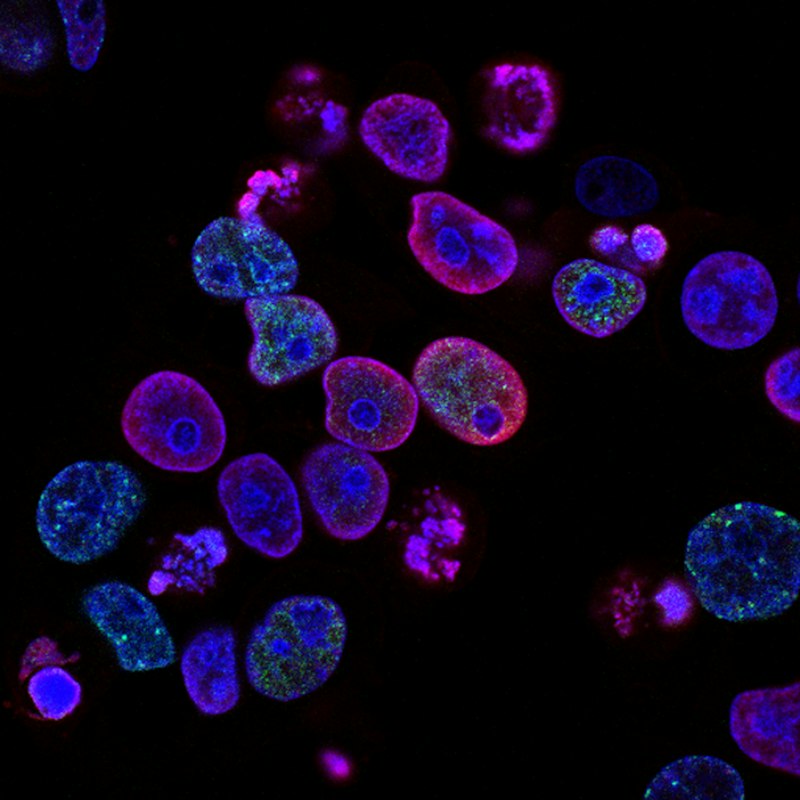
Researchers use AI to discover a novel antibiotic compound effective against MRSA and other drug-resistant bacteria, marking a breakthrough - Discovers
AI Discovers Antibiotic for Drug-Resistant Bacteria Category: research Tags: AI Healthcare, Antibiotics, Drug Discovery, Research
Current content:
---
Related Reading
- AI Discovers New Antibiotic That Kills Drug-Resistant Bacteria. First New Class in 60 Years. - Stanford AI Identifies New Parkinson's Treatment. It Works in Mice. - AI Just Discovered an Antibiotic That Kills Drug-Resistant Bacteria. It Took 2 Hours. - The First AI-Designed Protein Has Entered Human Clinical Trials - Your Doctor Has an AI Now: Medicine's Quiet Revolution
---
The Broader Implications for Pharmaceutical Economics
The convergence of AI and antibiotic discovery arrives at a critical inflection point for the pharmaceutical industry. Traditional drug development has followed a notoriously inefficient economic model: the average cost to bring a new antibiotic to market now exceeds $1.5 billion, with timelines stretching 10–15 years. For antibiotics specifically, the financial incentives have collapsed—novel compounds are held in reserve as drugs of last resort, limiting commercial returns. AI-driven discovery threatens to disrupt this calculus entirely. By compressing the early discovery phase from years to hours, as demonstrated in recent studies, these tools could restructure the risk-reward equation that has driven major pharma away from antimicrobial research. The question is no longer whether AI can find new antibiotics, but whether regulatory frameworks and reimbursement models can adapt quickly enough to capitalize on this technological windfall.
Expert Perspectives on Validation Challenges
Despite the headline-grabbing speed of AI discoveries, seasoned researchers urge measured interpretation. Dr. Regina Barzilay of MIT, whose lab has produced multiple AI-identified antibiotic candidates, emphasizes that computational predictions remain hypotheses until validated through rigorous experimental pipelines. "The AI gives you a starting point, not a finished drug," she noted in a recent commentary. The real bottleneck now lies in preclinical validation—determining toxicity, pharmacokinetics, and resistance potential—which AI can assist but not yet automate. Several AI-discovered compounds have already failed at this stage, underscoring that the technology augments rather than replaces traditional medicinal chemistry. The most promising near-term applications may involve AI-guided optimization of existing scaffolds, where prediction accuracy is highest and development risk is quantifiable.
A Global Health Security Dimension
The strategic importance of AI-accelerated antibiotic discovery extends into national security and pandemic preparedness planning. The U.S. Centers for Disease Control and Prevention estimates that antibiotic-resistant infections kill more than 35,000 Americans annually—a toll projected to rise dramatically without therapeutic innovation. The Biden administration's 2023 National Biodefense Strategy explicitly identifies AI-enabled drug discovery as a priority capability, with the Department of Health and Human Services funding multiple public-private partnerships in this space. Meanwhile, the World Health Organization has warned that the pipeline for novel antibiotics remains "insufficient and fragile." AI offers a plausible pathway to diversify that pipeline, particularly for Gram-negative pathogens where resistance mechanisms have outpaced conventional research. Whether this technological advantage can be distributed equitably—reaching health systems in low-income countries where resistance burdens are often highest—remains an unresolved governance challenge.