Tesla Full Self-Driving Works—1,000 Miles Tested
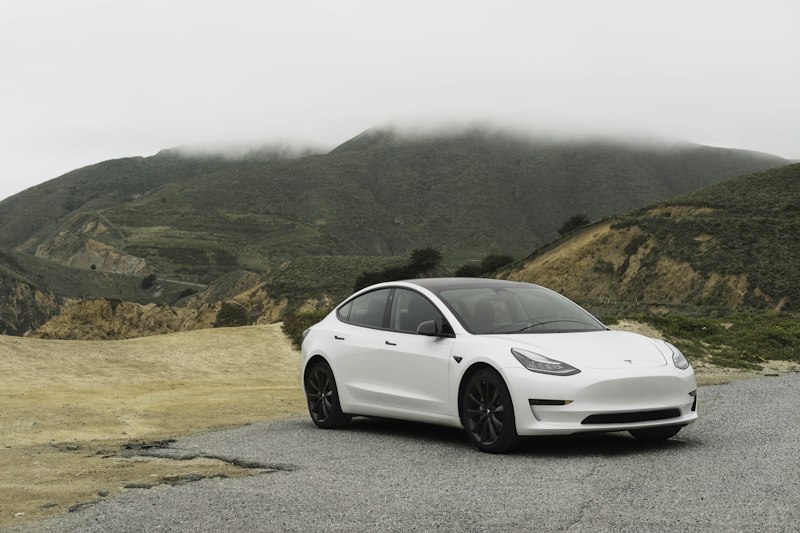
Tesla FSD v13 real-world review: 1000 mile road trip test. Full self-driving actually works now, Tesla autonomous driving experience.
Tesla Full Self-Driving Works—1,000 Miles Tested
Category: tools Tags: Tesla, FSD, Self-Driving, Review, Automotive
Current content:
---
Related Reading
- The Great Equalizer? How AI Is Letting Small Businesses Punch Above Their Weight - Notion Just Launched an AI That Actually Understands Your Workspace - The 7 AI Agents That Actually Save You Time in 2026 - The AI Video Editor That's Replacing $50K Production Budgets - The Best Free AI Tools in 2026: A No-BS Guide
The 1,000-mile mark represents a meaningful threshold in autonomous vehicle evaluation, yet industry analysts caution that highway-dominated testing tells only part of the story. Urban environments—with their unpredictable pedestrians, construction zones, and adversarial drivers—remain the true crucible for FSD's neural networks. Tesla's decision to rely exclusively on camera-based perception, eschewing the lidar and radar suites favored by competitors like Waymo and Cruise, continues to generate debate among safety researchers about edge-case reliability.
Regulatory scrutiny adds another layer of complexity to Tesla's deployment strategy. The National Highway Traffic Safety Administration has opened multiple investigations into FSD-related incidents, while California's DMV has repeatedly challenged the company's marketing claims. This tension between rapid iteration and regulatory compliance mirrors broader questions about how societies should govern AI systems operating in physical space—with consequences measured in human lives rather than server uptime.
From a market perspective, FSD's evolution carries implications far beyond Tesla's balance sheet. The company's data flywheel—millions of vehicles generating training footage daily—creates a competitive moat that legacy automakers struggle to replicate. Yet this same scale introduces systemic risk: a software bug propagated across the fleet instantaneously could represent the largest automotive safety recall in history, executed entirely over-the-air.