Scientists May Have Found the Source of Consciousness
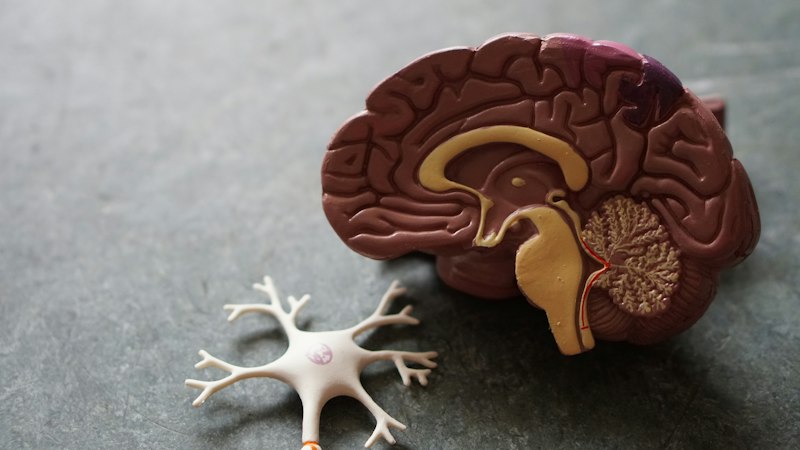
Scientists may have found consciousness source in the claustrum. Controversial new theory locates human awareness in brain structure with surprising...
Scientists May Have Found the Source of Consciousness
Category: science Tags: Neuroscience, Consciousness, Research
Current content:
---
Related Reading
- AI Just Mapped Every Neuron in a Mouse Brain — All 70 Million of Them - The Race to Mine the Moon Is Already Getting Messy - Geoffrey Hinton: 'We May Have Already Created Conscious Machines' - The Blind Woman Who Can See Again, Thanks to an AI-Powered Brain Implant - Scientists Used AI to Discover a New Antibiotic That Kills Drug-Resistant Bacteria
---
The implications of this research extend far beyond theoretical neuroscience. If consciousness can indeed be localized to specific neural architectures, the findings could revolutionize our approach to disorders of consciousness—such as coma, vegetative states, and locked-in syndrome—by providing clearer targets for therapeutic intervention. Clinicians have long struggled with the ethical and medical ambiguity of determining whether unresponsive patients retain any conscious experience; a mechanistic understanding of consciousness's physical substrate could eventually yield objective diagnostic tools.
The discovery also arrives at a pivotal moment for artificial intelligence ethics. As large language models and neural networks grow increasingly sophisticated, the question of whether machines could develop something resembling consciousness has shifted from philosophical speculation to urgent policy consideration. If scientists can identify the minimal biological requirements for conscious experience, engineers and ethicists will face sharper questions about which AI architectures might warrant moral consideration—and which safeguards become necessary before we inadvertently create synthetic minds.
Some researchers urge caution, however. The history of consciousness studies is littered with premature declarations: from the 1990s "neural correlates of consciousness" program to more recent claims about the claustrum's role as a consciousness switch. Dr. Anil Seth, a prominent neuroscientist at the University of Sussex, has argued that consciousness may prove fundamentally resistant to simple localization, emerging instead from distributed, dynamic processes that defy reduction to any single brain region. The current findings, while promising, will require extensive replication and theoretical refinement before they can be considered definitive.