AI Generates Functional Proteins Not Found in Nature
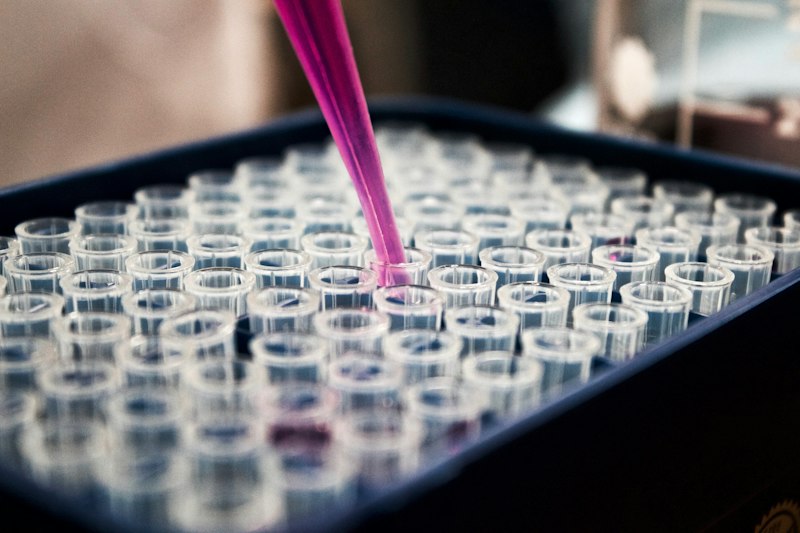
A new AI protein language model generates functional synthetic proteins not found in nature, with applications in therapeutics and industrial catalysis.
AI Generates Functional Proteins Not Found in Nature
Category: research Tags: AI, proteins, biotech, science, research
---
Related Reading
- Scientists Used AI to Discover a New Antibiotic That Kills Drug-Resistant Bacteria - The First AI-Designed Protein Has Entered Human Clinical Trials - Stanford AI Identifies New Parkinson's Treatment. It Works in Mice. - AI Scientists Are Making Discoveries That Humans Missed for Decades - AI Is Rewriting Drug Discovery—And Big Pharma Is Scrambling
---
Expanding the Boundaries of Biological Possibility
The implications of this breakthrough extend far beyond laboratory curiosity. By venturing into what researchers call "de novo protein design," AI systems are effectively expanding the boundaries of biological possibility. Natural evolution operates under strict constraints: mutations must occur gradually, and every intermediate step must confer some survival advantage. AI faces no such limitations. It can propose protein architectures that would require millions of years of natural selection to stumble upon—if they ever would at all. This represents a fundamental shift from "reading" the genome to "writing" entirely new chapters of biological function.
A New Era in Biotechnology
Industry observers note that this capability arrives at a critical inflection point for biotechnology. Traditional protein engineering relied heavily on modifying existing natural proteins, a process often compared to renovating a house rather than building one from scratch. The new generation of AI models, including advances from DeepMind's AlphaFold derivatives and specialized architectures from companies like Generate Biomedicines and Profluent, can now design proteins with specific binding properties, catalytic functions, or structural characteristics without template sequences from nature. "We're witnessing the transition from bio-discovery to bio-invention," said one venture capitalist familiar with multiple deals in the space, speaking on condition of anonymity due to active fundraising discussions.
Challenges in Translating AI Designs to Real-World Applications
Yet significant challenges remain before these computational designs translate broadly into therapeutic and industrial applications. The "design-build-test" cycle still requires extensive laboratory validation, and the failure rate for AI-designed proteins remains substantial. Manufacturing complexity poses another hurdle: proteins that fold beautifully in silico may prove difficult or expensive to produce at scale. Regulatory pathways for entirely novel protein therapeutics also remain underdeveloped, with agencies like the FDA still calibrating frameworks for evaluating treatments without natural precedent. The science is advancing faster than the infrastructure to deploy it.